
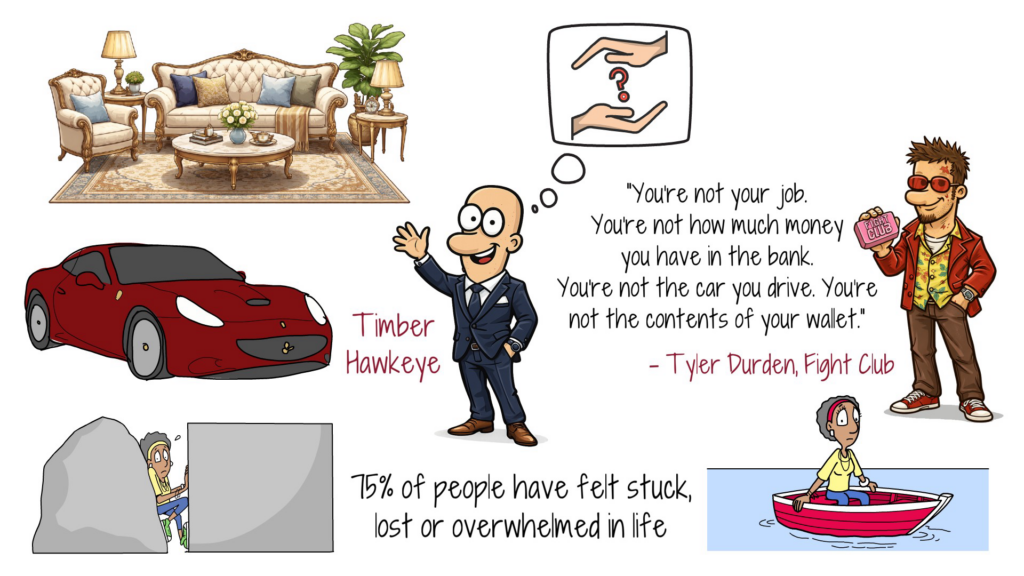
Have you ever felt stuck, lost or overwhelmed in life? If so, you’re not alone. Some research shows that up to 75% of people have felt that way at one time or another.
When best selling author and speaker, Timber Hawkeye, realized he needed to make a big change in his life, he did some serious thinking about what he needed to do. He had been living a traditional life in Corporate America, with plenty of success and material possessions, including designer clothes and a sports car. But inside, he just knew something wasn’t right.
Looking around at his imported Italian furniture one day, he realized that Tyler Durden, the alter ego in the popular film, “Fight Club”, was right. In the movie, a powerful set of lines stands out:
“You’re not your job. You’re not how much money you have in the bank. You’re not the car you drive. You’re not the contents of your wallet.”
In some cases, the things you own end up owning you – and these aren’t truly the things that define you. It’s not until you choose to make some big changes in your life that you free yourself to do anything.
So, Timber ended up quitting his job, and sold all of his things, and moved to Hawaii with just a small backpack. From this point on, he made an intention to turn his life around, living a simple, more pleasurable life. From one realization, he had changed everything.
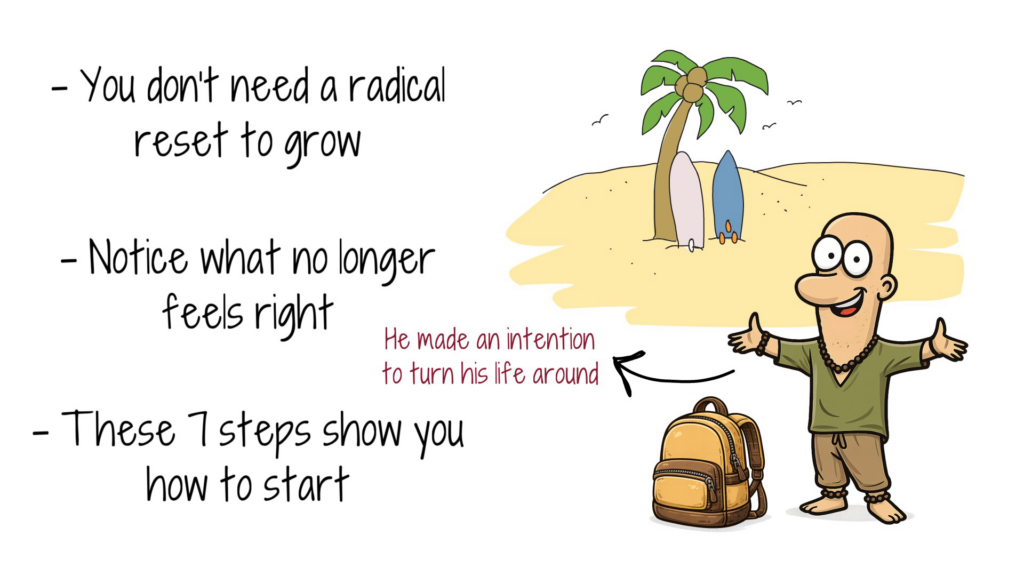
Not everyone is going to make such a radical change in their life, but most people can think of at least a few areas that could use a reset. If some things just don’t seem to be right for you anymore, maybe it’s time to turn your life around, and find a new way of living.
By following these 7 steps, you can create real lasting change.
Step 1: Accept Where You Are
You can’t move forward until you acknowledge your current situation. Whether it’s financial, emotional, relational or some other situation that you’d like to change, the first step is knowing where you stand now and accepting it.
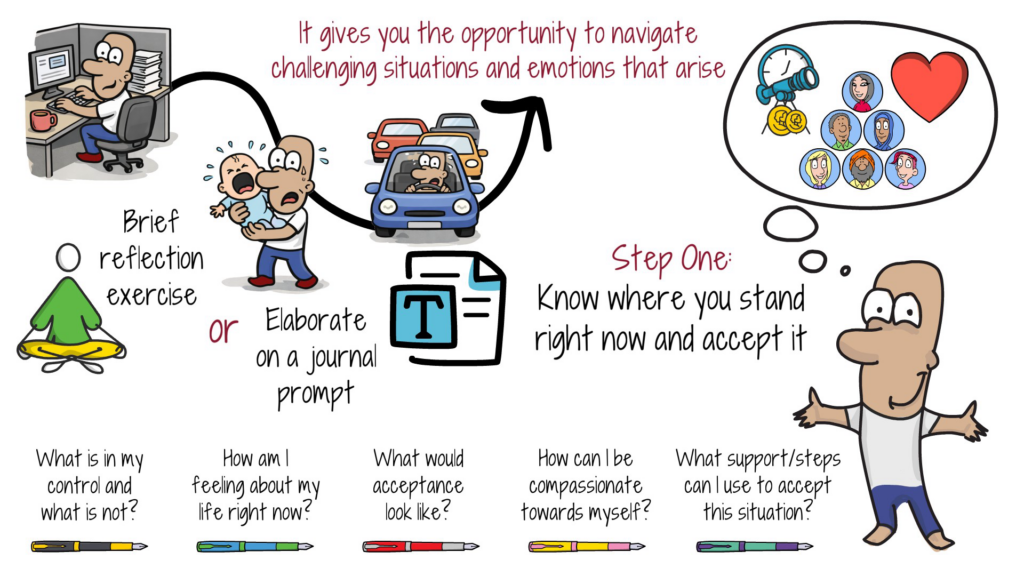
One way to do this is to practice a brief reflection exercise or elaborate on a journal prompt to identify the real state of your life at this moment in time.
For example, a journal prompt could be:
- What is in my control in this situation and what is not?
- How am I feeling about the state of my life right now?
- What would acceptance look like in this situation?
- How can I be compassionate towards myself as I navigate this?
- What support or steps can I use to accept this situation?
Through journaling, you give yourself the opportunity to navigate challenging situations and emotions that arise in a judgement-free, safe space. You can also use these thoughts and reflect on them at any time to continue your journey to acceptance in the situation that you’re in. Using previously written answers to prompts, you can better see what areas you are growing in, and which you may need to spend more time contemplating.
Step 2: Identify the Underlying Issues
The next step is to identify the root causes of your discontent and desire for change. Look beyond your surface complaints. For example, you might be thinking that you’re just not happy. But ask yourself why? Is it your job? And if so, what is it that you don’t like about it? The pay? The coworkers? Your boss? Or do you want to do some other type of work altogether?
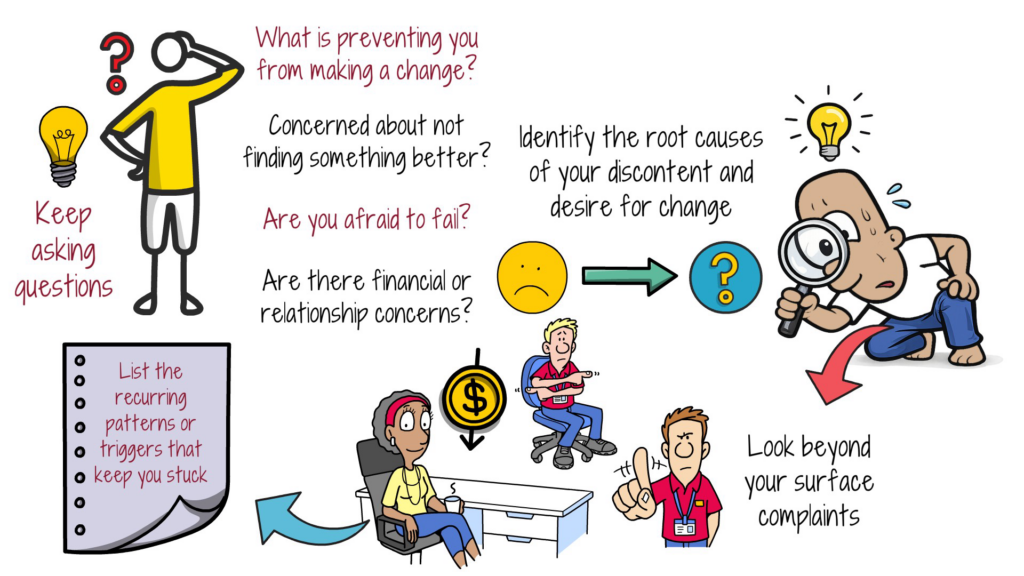
Once you’ve identified the real reasons for wanting change, then make a list of recurring patterns or triggers that keep you stuck. What is preventing you from making a change? Are you concerned about not finding something better? Are you afraid to fail? Are there financial or relationship concerns that keep you from doing something different?
Keep asking questions till you get to the real source of your situation. It is only through finding the problem that you can ultimately find the answer to solving it.
Step 3:Write a One Year Letter to Yourself
Imagine your life a year from now. Think about what you really want and what steps you need to take to get there. When you picture your life in the future, it helps you to clarify and envision that new life.
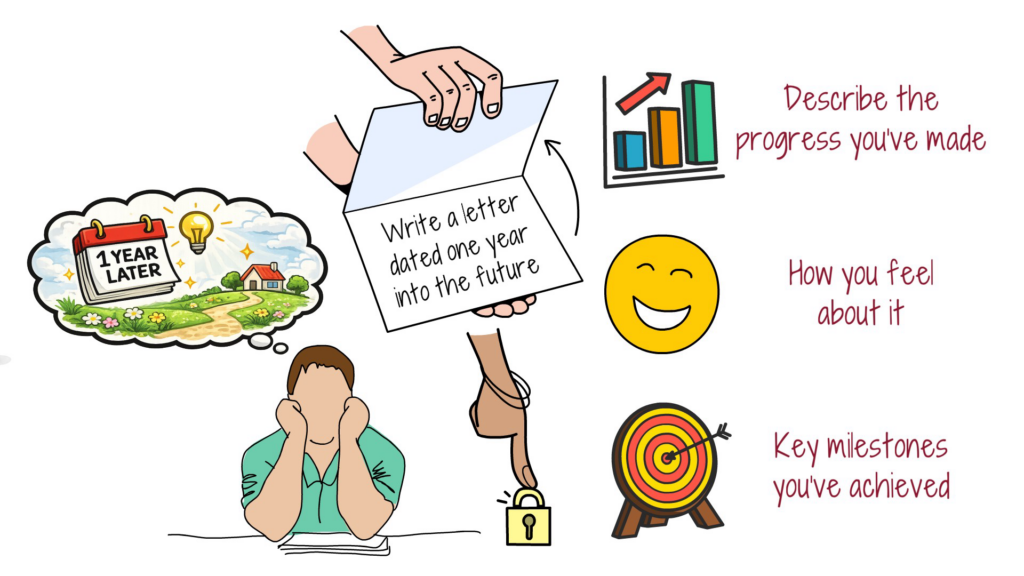
Write a letter dated exactly one year into the future, describing the progress you’ve made, how you feel about it, and any key milestones you’ve achieved during that time. You should write this letter as though all of these things really happened. By detailing a clear vision of your future self, you create a roadmap that guides your present actions.
Keep this letter in a safe place, and one that you’ll remember, so that in a year’s time, you can recall it and see how much of your future self is now your current self.
Step 4: Build Sustainable Habits
Daily routines are important because they form the basis of the changes you want to make. Small, consistent actions lead to big transformations. And then, over time, those small habits will lead to the big change that you’re looking for in your life.
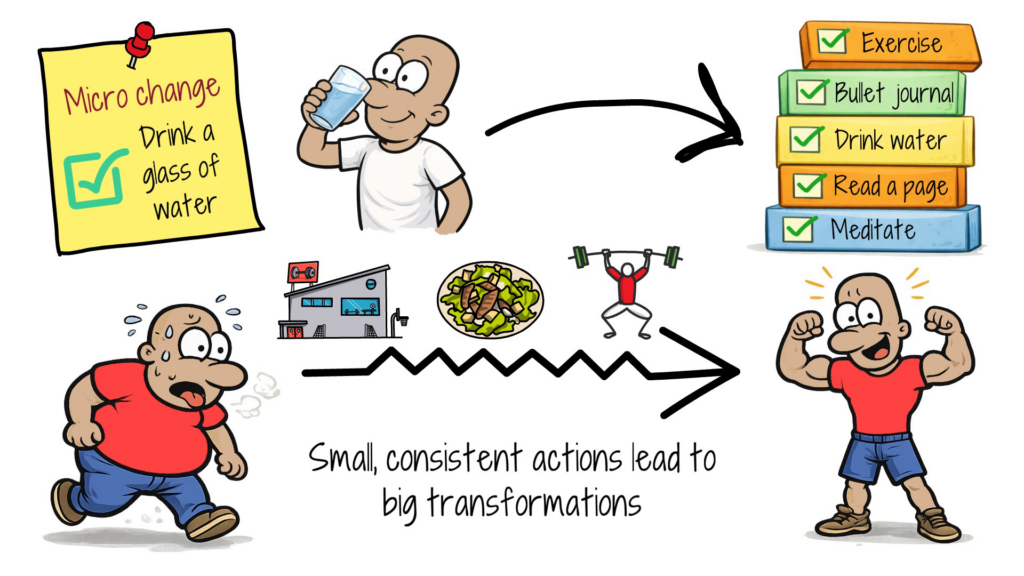
Start with small micro changes, and add to them by habit stacking. For example, establishing a new habit to add to your daily routine can begin the process of new actions. As you successfully add one new habit to your routine, you can then add another, so eventually your new self looks nothing like your old ways of doing things.
Step 5: Find Accountability and Support
Having a community of support can make a huge difference when making steps to change your life. Friends, family or mentors are a great help to accelerate growth. Plenty of studies show that change can be more effective when you share your progress and wins with others. This not only creates an open dialogue about your goals and provides accountability but also makes you more likely to continue making changes when you know you have a support system to celebrate with once you reach the finish line.
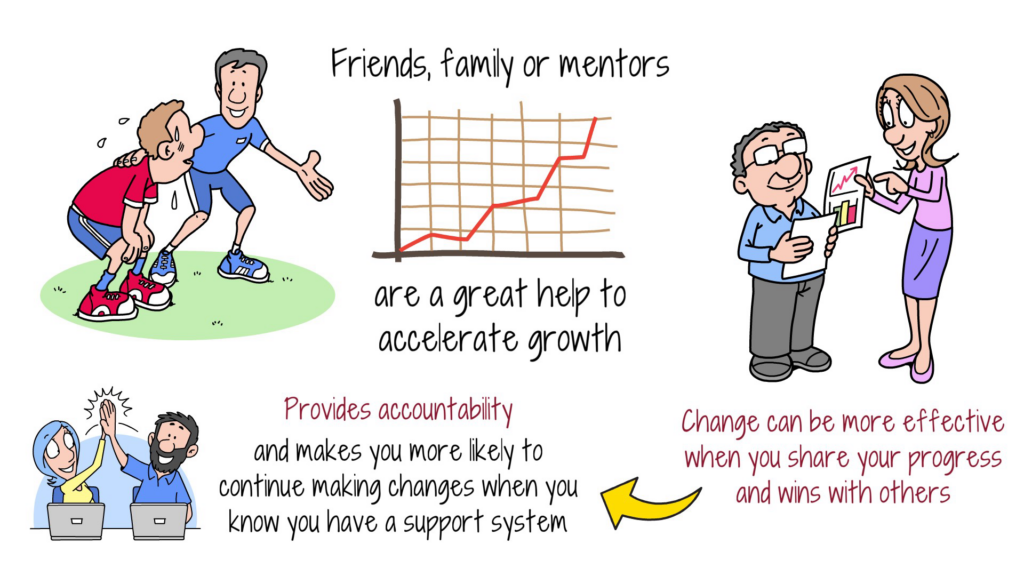
Find a mastermind group, a workout buddy or utilize a coach or mentor to help keep you on track.
Step 6: Track Progress and Leave Room for Adjustments
When making real changes in your life, it’s helpful to be able to measure your progress. Using a journal, spreadsheet or habit tracking app can all be good tools to help you stay on track. You can visually see your progress and apply check-ins periodically to help you take stock of where you’re at and any adjustments you need to make.
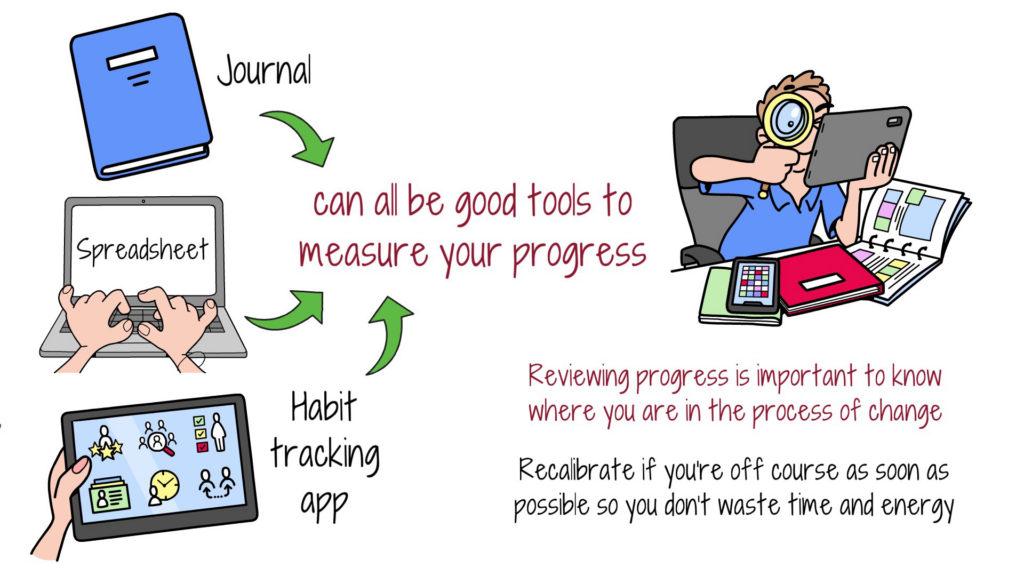
Reviewing weekly or monthly progress is important to know where you are in the process of change. And recalibrating if you find yourself off course as soon as possible so you don’t take wrong turns that waste time and energy.
Step 7: Embrace Failure as Feedback
Life always has ups and downs, especially when trying to make new changes. But failure is not the end game. When you reframe your mistakes, that is when setbacks become lessons.
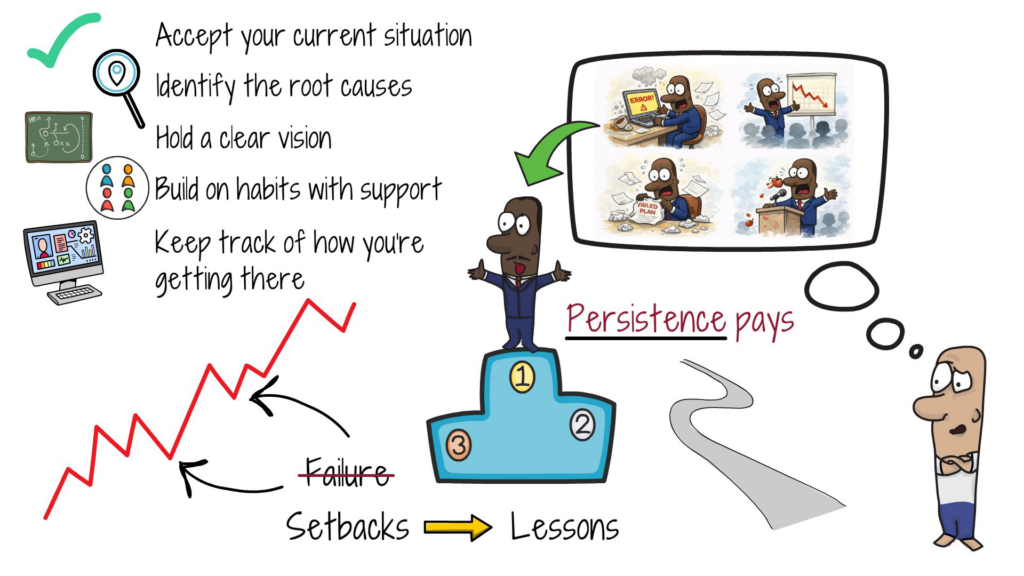
Shifting your mindset to embrace all of the experiences that happen during your life changes can help you keep things in perspective. One way to do this is to remind yourself of someone you idolize or aspire to be, and think about all of the times they may have failed in their efforts to make a change in their life. It’s not about how many times you stumble and fall, it’s about how many times you pick yourself back up and strive forward with newfound growth, resilience, and a desire to make a change.
Persistence pays. Stumble, learn, and then keep moving forward.
Final Thoughts
Creating real, lasting change can take a lot of work and commitment. But when you stick to the plan, it can turn your life around more than you ever imagined.
By accepting your current situation, and identifying the root causes, you can move forward with each step to get where you want to be. Hold a clear vision of your new life, build on sustainable habits with community support, and keep track of how you’re getting there. There will be setbacks and challenges, but persistence is a great teacher.
True change is a journey, not an overnight fix.
