Minimalism for Overthinkers

Minimalism for Overthinkers

Start here: Browse the Self-Improvement Guides and pick the path that fits your situation.

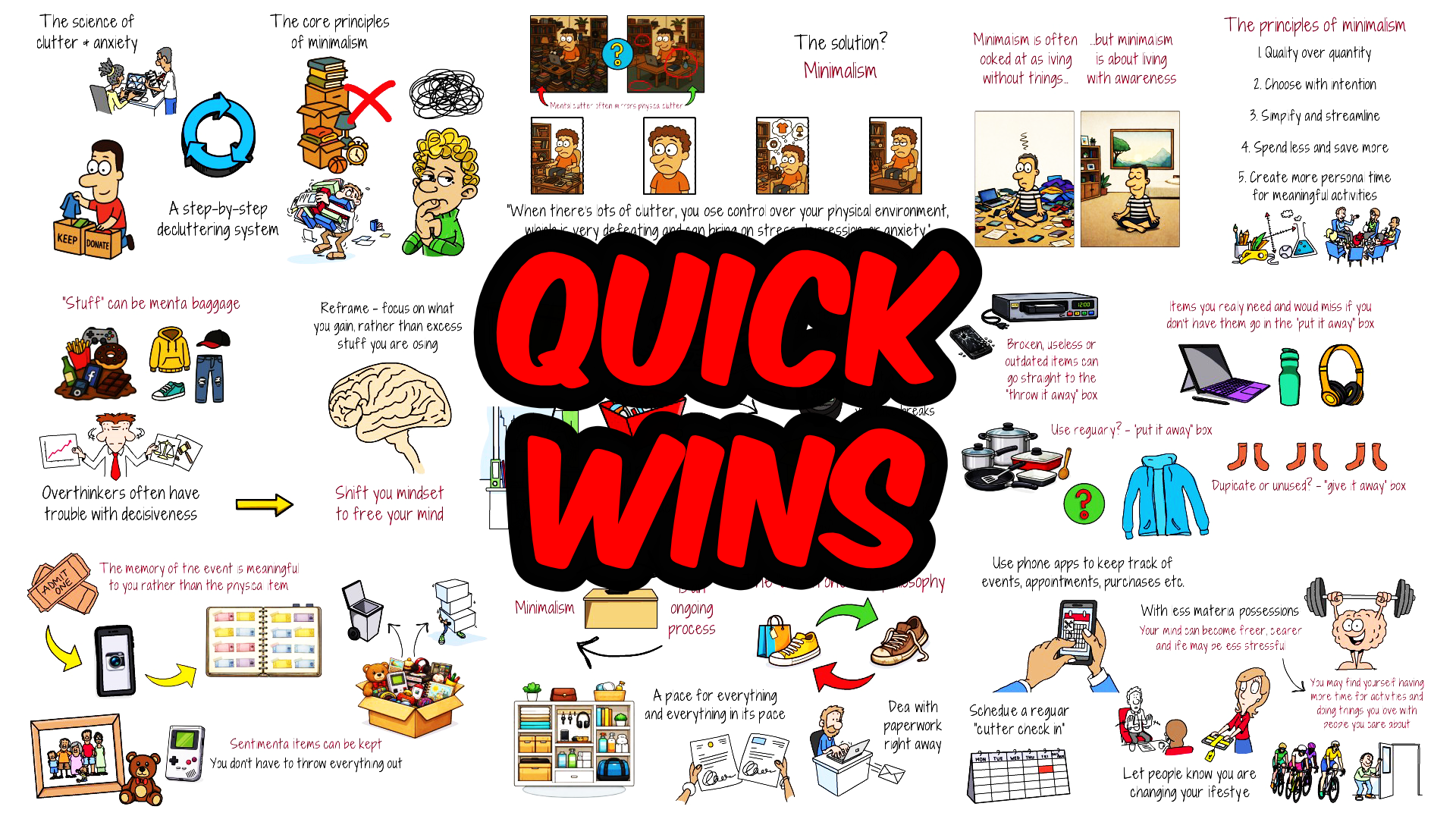
Imagine yourself sitting in a room filled with all kinds of things that cover all of the bookshelves, furniture, and floors. A small table in front of you is scattered with stacks of magazines and digital devices, like a laptop, phone, and ipad.

Now try another scenario, but this time imagine sitting in a room that is clear of clutter. The shelves contain personal items that are meaningful to you. The floor is clear and clean, and the small table in front of you has only a vase of flowers and a book that you’re currently reading.
Read more

7 Tiny Habits to Finally Stop Overthinking

Stop Overthinking Using These 7 Tiny Habits

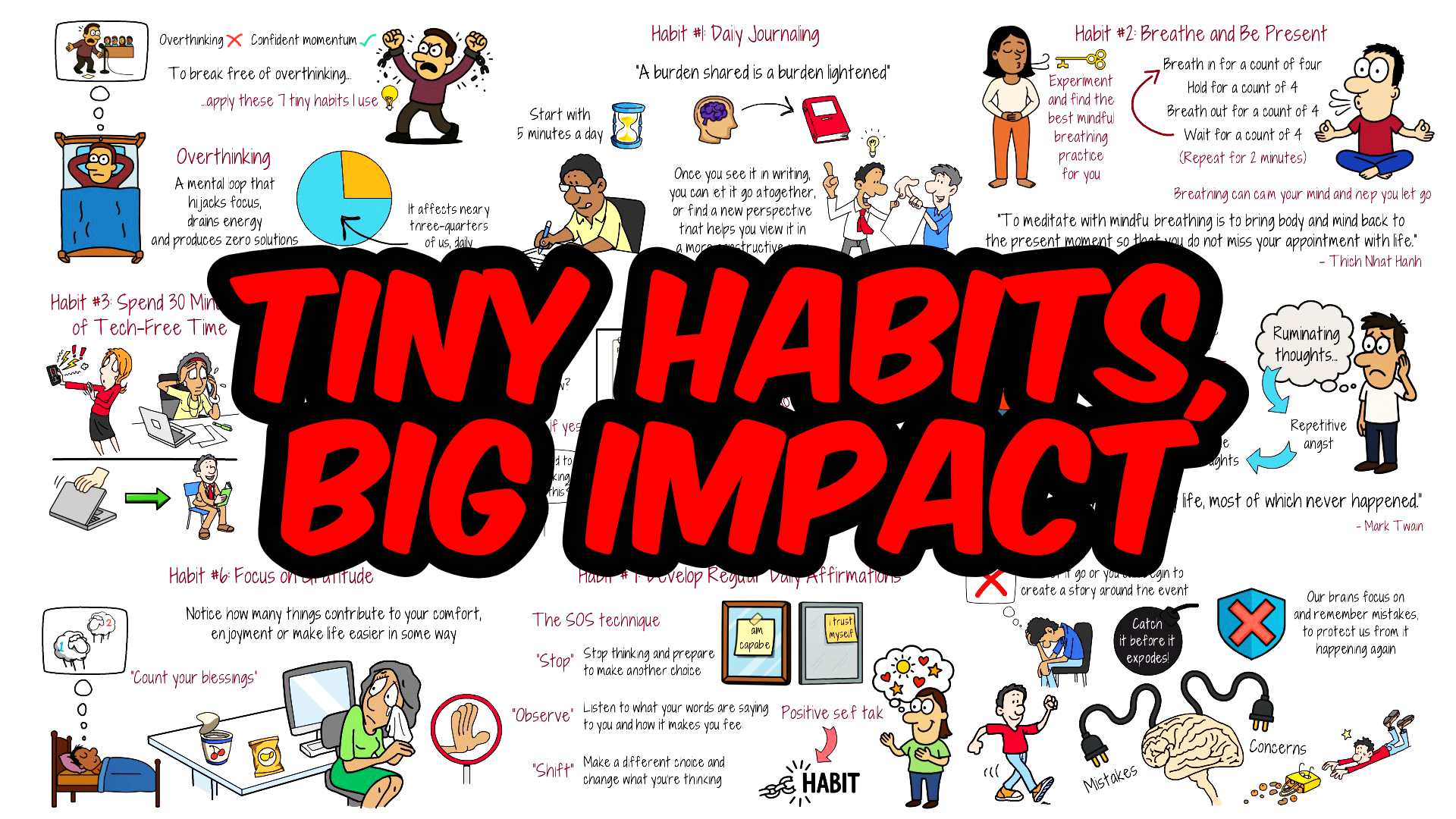
We’ve all been there. Something has embedded itself into our brains and we can’t stop thinking about it. Ruminating, or overthinking, is a common behavior that most people can relate to on some level.

Whether it’s something someone said, something you did, rehashing the past, or worrying about the future, it’s monopolizing your thoughts, and it can become a real problem. At the very least, it can be annoying, undermine your confidence, and prevent you from taking action.

Read more

How to Stop Overthinking

How to Stop Overthinking

Overthinking is easy to slip into. Think about a time you distinctly remember overthinking. You feel your heartbeat rise and your eyes dart. Thoughts fire at unprecedented speeds as you struggle to pick up the pieces. You work yourself up, imagining all kinds of scenarios in your head, overloading it with stress.

Now ask yourself this, how many times have you felt silly or a strange wash of relief because the overthinking led to nothing? More often than not, situations aren’t as complex as you may think. Overthinking can lead to procrastination, and a lack of self-confidence, and destroys the time you have with yourself while potentially affecting those around you. Of course, this isn’t a blanket statement. Neglecting certain aspects in fear of overthinking will cause avoidable issues. Still, it’s worth noting the damage overthinking can cause.

Read more

5 Tips to Break Your Addiction To Negative Thinking

5 Tips to Break Your Addiction To Negative Thinking

According to Dr. Fred Luskin at Stanford University, people generally have over 60,000 thoughts in a day, most of which are repetitive. We often hear the reminder to “think positive!” and be “mindful” of what we’re thinking. Still, it’s easy to get caught up in negativity, worry, or doubt, and spiral into the repetition of those not-so-positive thoughts.

Negative thinking can take hold of us for many reasons. Critical self-talk, being judgemental, or feeling fearful are just a few examples. If you ask most people, they would prefer to be happy, peaceful, safe and positive. But sometimes it’s not that simple. So let’s take a look at how we started thinking this way in the first place.

Read more

How to Stop Overthinking and Overcome Self-Doubt

Imagine for a moment that you are the Captain of a great sea voyaging vessel setting out on a journey to an island you’ve never been to before, but you know has many great riches. The weather is fair, your maps point a clear course, and everything is going in your favor. 

However, as you set out on your journey, you discover that your crew members have started to grumble — it seems they have doubts as to whether the island exists, whether the ship can actually make the journey, and whether they really deserve the riches, should they find them. The crew decides to mutiny, turn the ship back around, and head for the port where they came from.

That seems a bit silly, doesn’t it? Not deserve the riches? Even though everything was going well, and you, the Captain, knew exactly where you were going and what you would find there, they still had doubt. 

Unfortunately, we do this to ourselves all the time. We sabotage our own endeavors by overthinking the whole thing, casting doubt on ourselves, and reverting back to our old habits.

Read more